
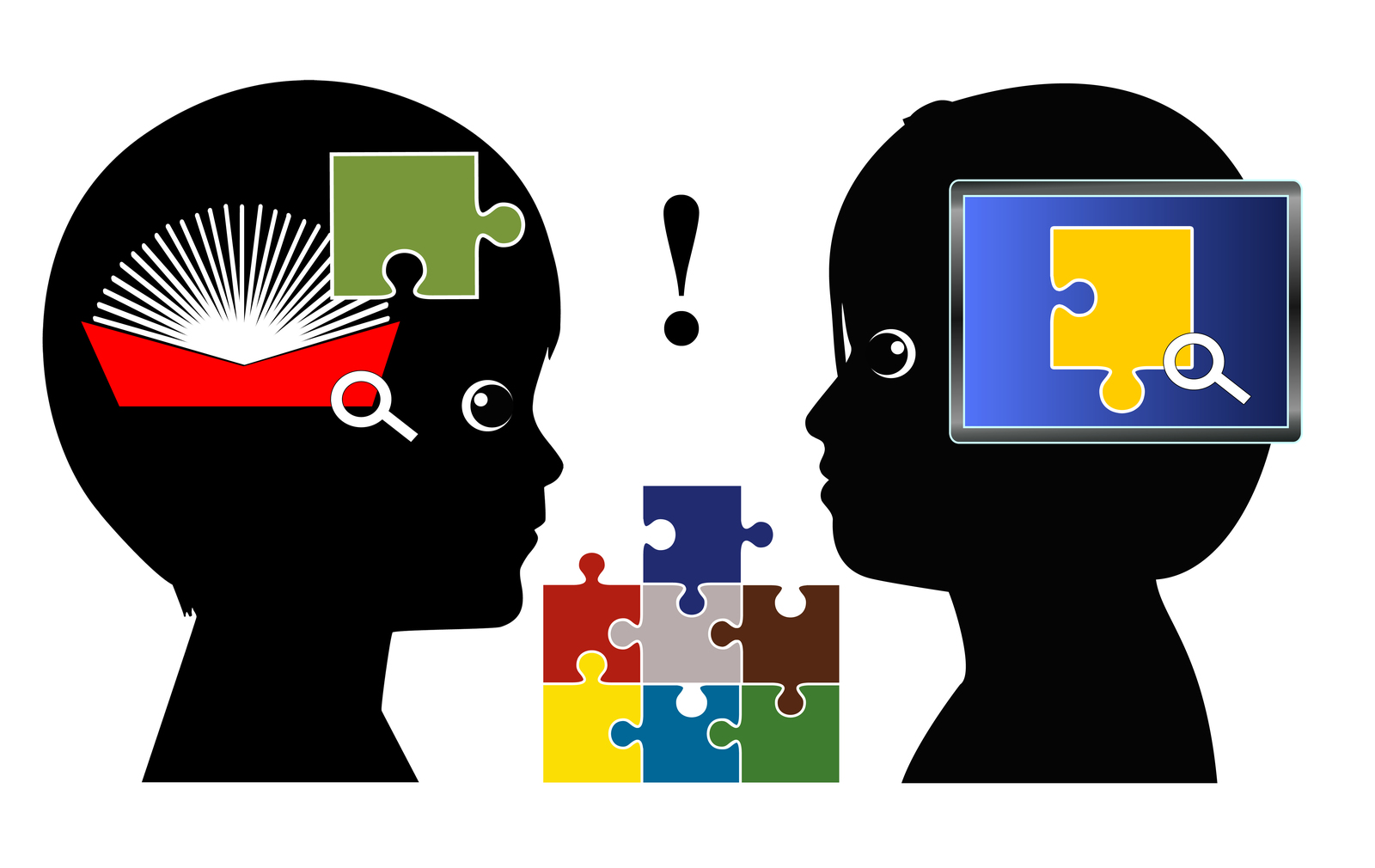
We all have our own learning style. You’ve no doubt been aware that stuff just clicks when its taught in a particular way but seems impenetrable when taught differently. Some people prefer to learn in a hands-on way, others through listening, and still others through watching. Some people need to be active and interactive to learn. Whatever your learning style, becoming aware of it may help you find a career that motivates you rather than one you dread.
Learning styles
There are many theories on learning style. One popular theory is the VAK model, which contends that people learn through three different channels: visual, auditory, and kinesthetic. People who learn through visual means, such as seeing or reading, prefer to have information presented in a visual format. Auditory learners prefer to learn through sound, while kinesthetic learners learn best through touch and movement.
Whatever learning style you predominantly identify with, many people will also identify with one or even two others. This is normal. As human’s we rarely conform to a perfect template.
An extension of the theories of learning styles is presented in a model developed by Howard Gardner. He suggests that there are multiple intelligences, and that each person has a different blend of intelligences. These intelligences include linguistic, logical-mathematical, spatial, musical, bodily-kinesthetic, interpersonal, and intrapersonal. Gardener’s approach to understanding how we learn is broader and more wholistic than the VAK model.
How your learning style affects your career choices
A ‘learning style’ refers to how you absorb and engage with information and affects far more than the way you learn. It isn’t limited to just three categories, we’re far more complicated than that. Our personal learning style is likely to be best represented through a blend of categories.
When it comes to choosing a career, everyone has their own individual preferences and interests. While a learning style will more likely suit a particular type of career, the industry, employer and role will determine to what extent it would suit you. Knowing how how you learn and interact with the world around you is where you start. When it comes to career choice you need to dig deeper.
That said, to illustrate and for simplicity I’ve taken the three styles described by the VAK model of learning styles.
Visual
Visual learners prefer to learn by seeing things. They like to take in information through pictures, charts, and graphics.
Careers such as graphic design, advertising and marketing would be ideal for someone with this learning style.
Auditory
Auditory learners prefer to learn by hearing things. They like to hear explanations and stories, and often have excellent recall skills.
If you are an auditory learner, careers in areas such as teaching including online teaching, interpreter, or sales might suit this learning style.
Kinaesthetic
Kinaesthetic learners prefer to learn by doing. They like to touch, feel, and experience things. They often have good problem-solving skills.
If you are a kinaesthetic learner, careers in areas such as classroom and one to one teaching, physical therapy, engineering, or law enforcement might suit you.
And finally…
Whatever your learning style, knowing it is useful. We all learn differently and knowing your learning style can be empowering. A ‘learning style’ more acurately describes how you interact with the world and understanding it will help you make choices, in every aspect of your life, that work for you. You’ve probably chosen hobbies, sports or interests that reflect your ‘learning style’, even if you cant name the label or theory that describes it. You should take the same approach when considering careers and you may just find one that you don’t just excel at, but that keeps you motivated and happy too.