
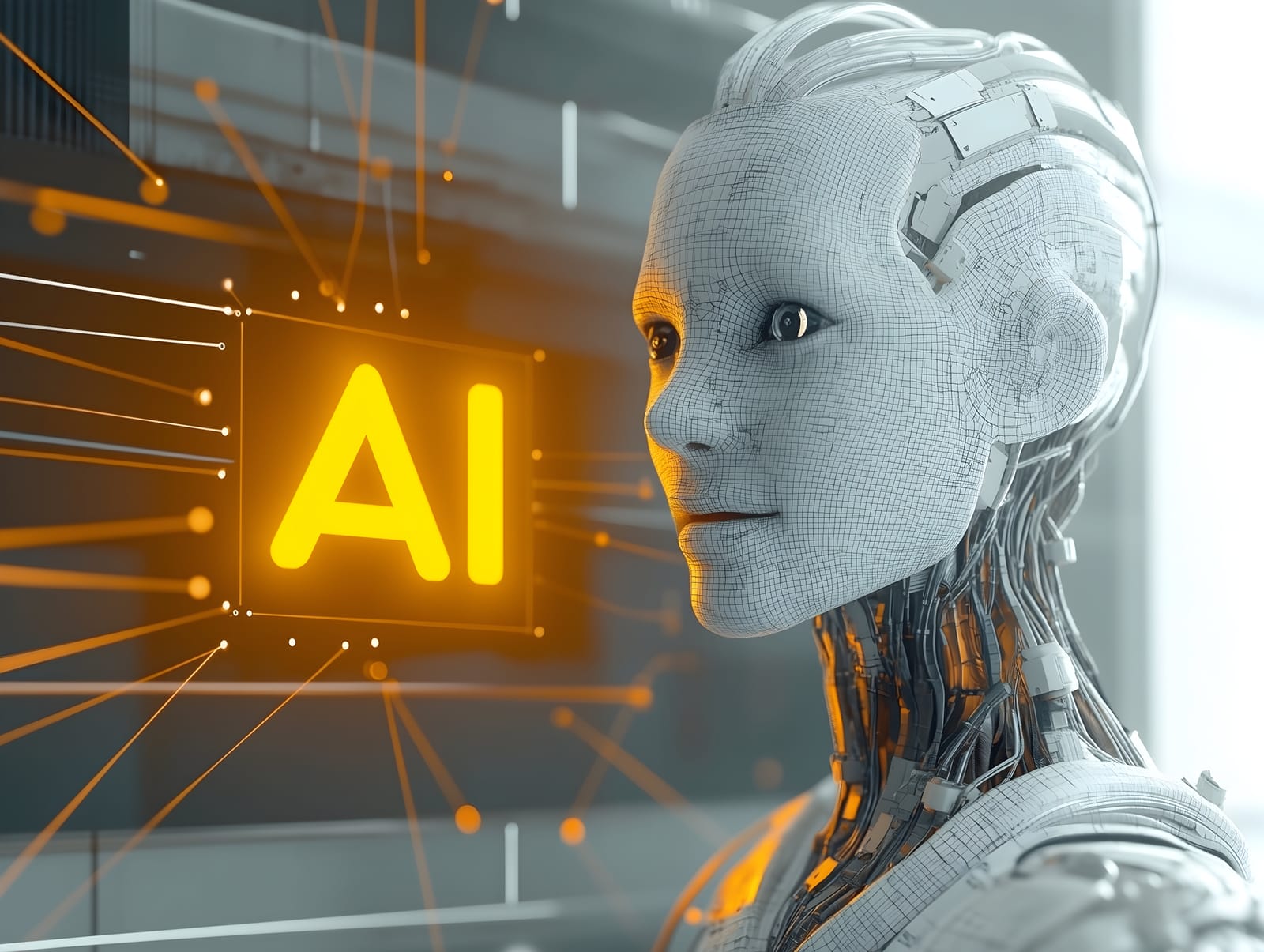
The advancement of AI with the potential to replace jobs and create others has been a topic of much concern and debate over the past few years. As automations, chatbots and deep fakes continue to amaze, so does the opportunity for business to reap the benefits in cost and time efficiencies. All of which leads to growth and increased profit.
The impact on the workforce has led to a change in the demand for certain skills and knowledge and an increase in hybrid and remote working. As societies across the world try to keep pace with the cultural change and impact on the population, so the topic of a Universal Basic Income (UBI) comes to the fore.
What is Universal Basic Income (UBI)?
UBI is a regular payment made to people intended to serve as an income. Eligibility for UBI is irrespective of circumstances or individual needs. As AI and robotics present opportunites for work to be carried out without or with limited human involvement, UBI serves as compensation and a means to ensure economies are able to thrive.
While the concept of a UBI is still quite new to many people and may seem a radical idea for some, others have been discussing it for some years.
Pilot studies
Pilot studies of UBI have been run in a number of countries with positive results. Finland ran a 2 year study in 2017 and found a positive impact on the mental health of those benefiting. But there was no significant improvement in peoples economic activity as a result of their participation. A similar experiment has since been run in numerous countries around the world, including the US in 2019 and the UK in 2023. The evidence so far seems to support the results of the Finish study.
How AI and robotics might influence the feasibility of UBI in the future
As AI and robotics become more integrated in to industry, so much of the work currently carried out by humans will no longer be the economical choice. This doesn’t mean there wont be new and more interesting jobs created for people, just that there will be some redundancy of skills. Unless artificially influenced through regulation, this is an inevitable outcome.
Generating the budget to support UBI
If UBI is to be considered for the mainstream, it needs to be funded. One method to generate the funds for UBI is via taxation. This might be taxation on businesses that benefit from the potentially massive savings that come from incorporating AI and Robotics in to their ‘workforce’. Or a wealth tax or other form of taxation that would generate the level of income required.
Another possibly more radical idea is to gather and distribute money in to UBI accounts via banks. The method seeks to capitalise on the increased economic activity generated by UBI. Banks would apply negative interest rates on unused funds at the end of each month. The money generated by the unused funds would then be used by the banks to reinvest in the market. This is the theory put forward by Malcolm Henry on the Citizen Network. There will no doubt be many other ideas of how to generate and distribute funds for a UBI before being implemented on any meaningful scale.
Who should get UBI
The research carried out so far seems to indicate the main benefit of a UBI is to take people out of poverty and improve their mental health. There are some indications of improved economic status but its not on the scale of the social and psychological benefits. This might suggest it shouldn’t be universal but should only be made available for people who fit a certain criteria. Perhaps the unemployed or people with health issues. But this would be a mistake.
If the universal basic income is to work it has to be available to all as its name suggests. Just like the NHS in the UK which is widely valued by all, a universally available benefit will be equally valued.
UBI available to a specific sector of society, by contrast, would risk becoming resented and stigmatised. In particular by those not in receipt of it. If a staged introduction were to be adopted it might, at the start, only be made available to those who are displaced in their jobs. And as AI and robotics evolve more, so more people will be eligible.
And finally…
All this means having a system of UBI for those members of the population who have been displaced in the workplace will be important. Not just for a healthy population but for a healthy and well functioning economy.
Economies need people to spend money and for that people need to have money to spend. With potentially fewer people earning money through work there needs to be another form of income. And thats where UBI presents itself as a timely solution for a problem most governments around the world are yet to take seriously.