
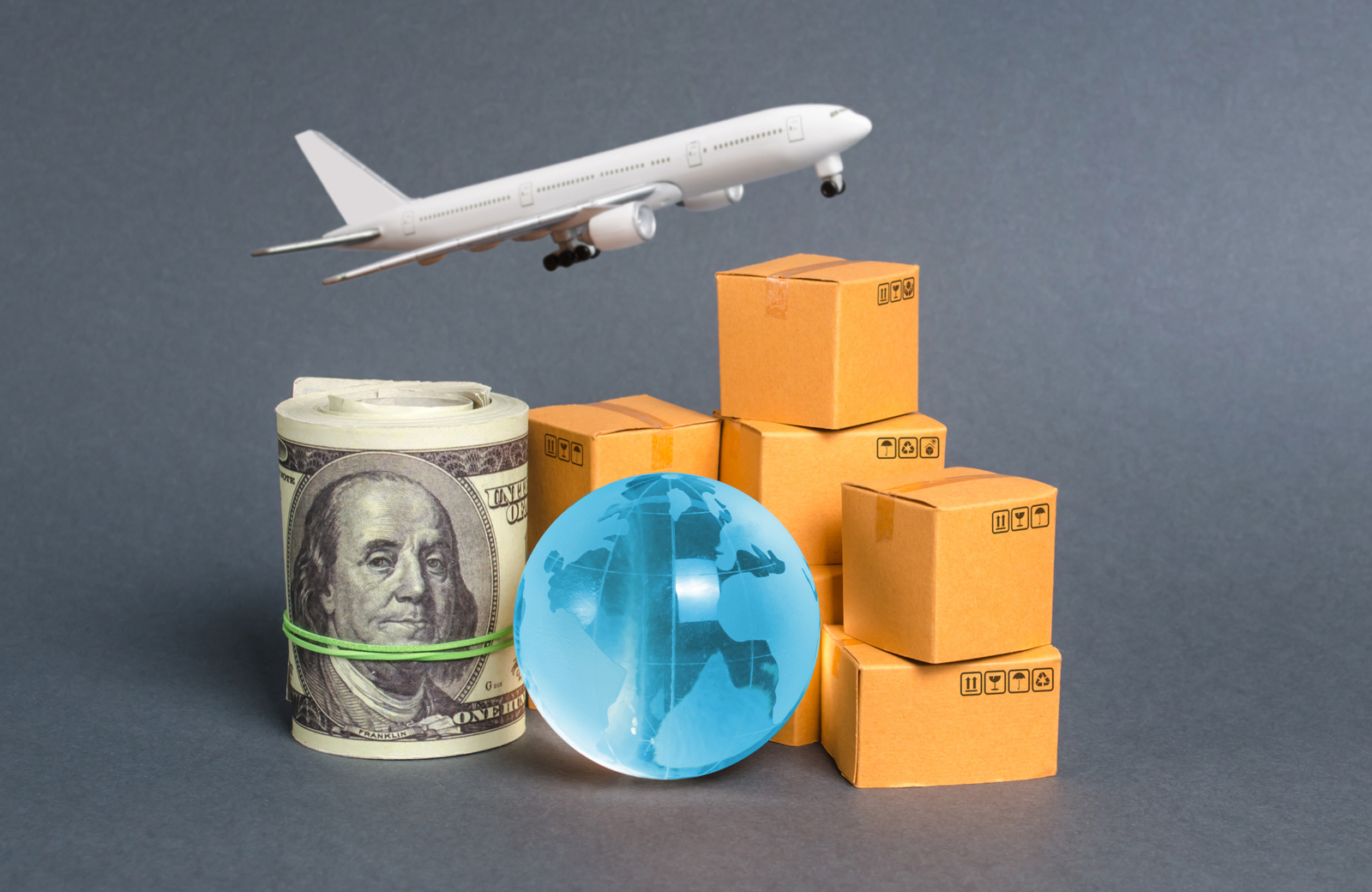
In an increasingly interconnected world, the policies of one nation can send ripples across the globe. The tariffs imposed by former President Donald Trump recently are a prime example of this phenomenon. Understanding how these tariffs impact trade dynamics, which types of businesses are most affected, and how they may shape future trading relationships is crucial for UK companies. Particularly start ups that need to manage the risk to often tight budgets. In this blog I will consider the recent tariffs imposed by the Trump administration, the possibility of a trade war and how all this may impact UK businesses.
Understanding Trump’s tariffs
Tariffs are taxes imposed on imported goods, designed to protect domestic industries by making foreign products more expensive. Trump’s tariffs were primarily aimed at addressing trade imbalances as he perceives it and protecting American jobs. Notably, significant tariffs have been placed on steel and aluminum imports, alongside broader tariffs targeting products from China, the EU, Canada and Mexico.
These measures have sought to bolster the US economy and encourage manufacturing companies to relocate to within US borders. To these ends they have also created a challenging situation for international trading partners, including the UK. As UK businesses strive to access the US market, they face higher costs, which can jeopardise their competitiveness.
Impact on UK businesses
The direct effects of Trump’s tariffs on UK businesses are not straight forward. Tariffs lead to increased costs for companies exporting goods to the US. For instance, UK manufacturers that rely on importing steel and aluminum may find their production costs rising sharply, which can translate to higher prices for consumers. This could deter potential buyers and lead to a decline in sales, particularly in price sensitive markets.
Additionally, tariffs can disrupt established supply chains. UK businesses that have previously enjoyed a smooth flow of goods to and from the US may now face delays and increased administrative burdens. This is particularly relevant for industries such as automotive manufacturing, where just-in-time production relies on timely deliveries of parts and materials.
Types of businesses most at risk
While tariffs impact a wide range of sectors, certain industries are more vulnerable than others. Small and Medium Enterprises (SMEs), in particular, are likely to feel the strain more acutely than larger corporations. SMEs often lack the financial cushioning to absorb increased costs or invest in alternative supply chains, making them more susceptible to market fluctuations.
Export dependent industries, particularly if a trade war escalates, are also at risk. For example, the UK agricultural sector, which exports products like whisky and cheese to the US, may find itself facing higher tariffs that could reduce demand. Similarly, the technology sector, which thrives on innovation and rapid growth, may encounter barriers due to tariffs on components or final products, limiting their ability to compete effectively.
Economically sensitive sectors, like consumer goods, are particularly vulnerable to shifts in consumer behavior. If prices rise due to tariffs, consumers may turn to cheaper alternatives, further impacting sales for UK businesses.
Shifts in trade relationships
The imposition of tariffs often leads companies to reconsider their trading partners and strategies. As UK businesses face increased costs for exporting to the US, many may opt to diversify their markets and suppliers.
This shift could lead to a stronger focus on EU markets or emerging economies where trade barriers are lower, thereby mitigating some of the risks associated with US tariffs. This might mean Trump’s tariffs could necessitate a closer more fluid trading relationship with the EU post BREXIT.
Another possible outcome of Trumps tariffs might be businesses investing in domestic production to circumvent tariff related challenges altogether. By sourcing or establishing local facilities, companies can reduce reliance on imports and maintain competitive pricing for their products in the US market.
In the long term, these adjustments may lead to a reconfiguration of global trade dynamics. UK businesses will need to stay agile and responsive to changes in tariff policies, ensuring they remain competitive while navigating the complexities of international trade.
How bad could it get?
To answer this question you need to understand the consequences of a trade war.
Trade war
A trade war typically begins when one country imposes tariffs or other trade barriers on another country in response to perceived unfair trade practices. And that is exactly what we’ve seen from the US in imposing tariffs on Canada, China and Mexico. The trade war is triggered when the country targetted with tariffs reciprocates.
The effects
The outcome leads to businesses in both countries feeling the effects of increased costs, disrupted supply chains and changing consumer behaviour. As the trade war escalates job losses, rising prices and the overall economic impact will lead to calls for negotiations. Negotiations will then focus on creating new trade agreements, revising existing ones or addressing the specific issues that led to the trade war.
This may be the desired outcome for the Trump administration that have been very vocal about unfair trading relationships around the world. However, it comes with considerable risk.
Trade wars can carry on for years leading to a serious blow to the economies of all and possible long term changes to trade relationships. For instance, countries may develop substantial markets elsewhere and build supply chains with countries that don’t impose cripling tariffs.
And finally…
Trump will no doubt impose and remove tariffs as his term as president progresses. As businesses adapt to these changes, they must remain vigilant and proactive, exploring new markets and reevaluating their trading strategies to ensure resilience in an ever evolving economic environment.
While the future remains uncertain, one thing is clear, the impact of tariffs extends far beyond borders, shaping the way we conduct trade and interact with one another on a global scale. For UK businesses, understanding these dynamics will be key to navigating the complexities of international commerce in the years to come.