
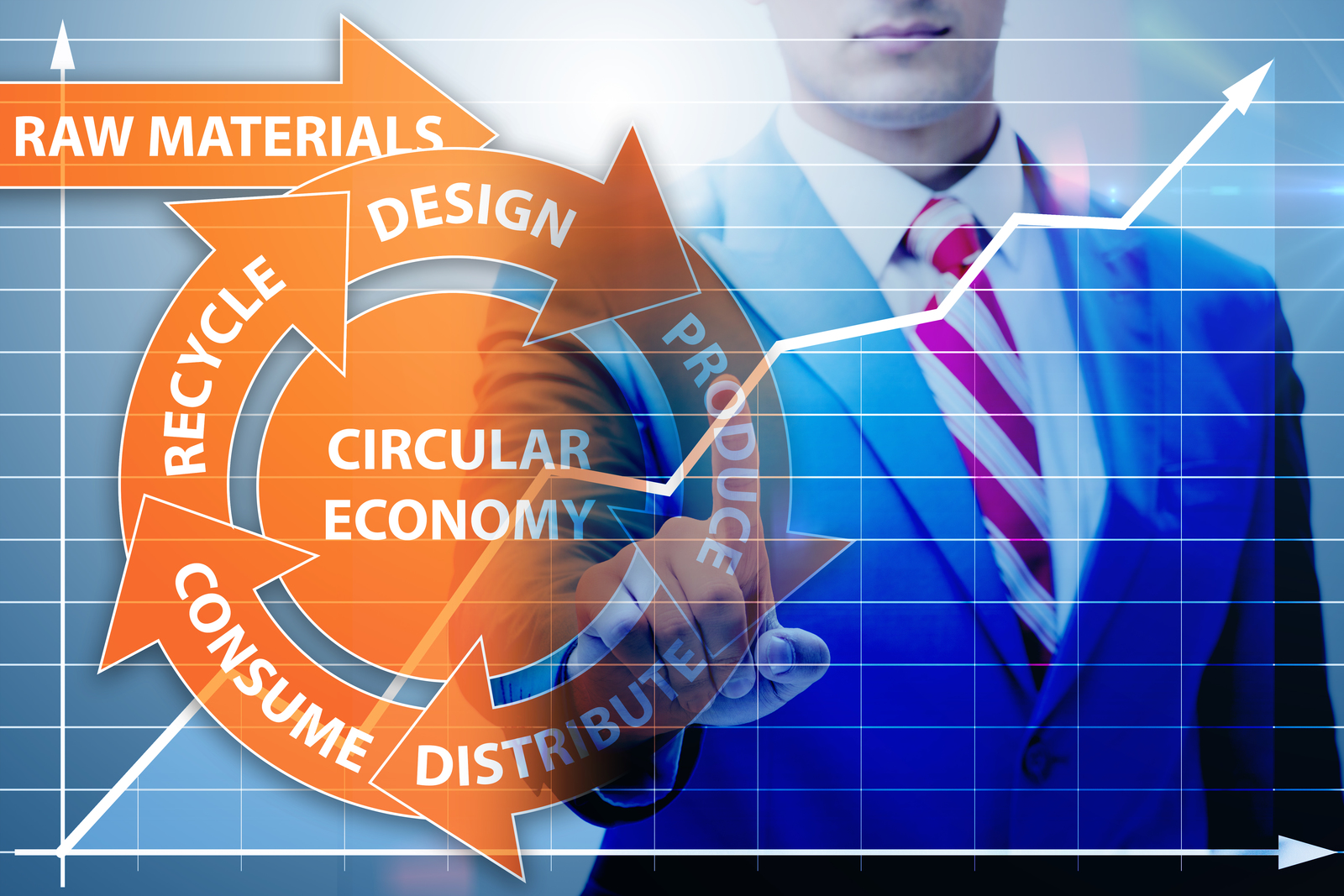
Whatever your position on climate change, no one can deny the impact its having on trade and consumer behaviour. With the growth of online retail platforms such as Vinted for clothes, the interest in preserving our natural resources through recycling and sustainability is snowballing in popularity. While savvy big business is receptive to changing attitudes, opportunities are also available for everyone to benefit from all the circular economy has to offer.
What is the circular economy
The circular economy is about recycling products until the end of their useful life, whether they be clothing, furniture, jewellery, building materials, etc. In short, this involves reselling what we have rather than creating waste, extracting natural resources to produce new products unnecessarily or polluting parts of the world in the manufacture of products.
The business model
The business model involves extending the life of a product while making profits and creating jobs. The proposition is to produce more durable products, of better quality, in the first place and then present the products for resell in an attractive and desirable way.
The competition to this model is the old ‘stack them high and sell them cheap’ philosophy. While this will always have a market, as buyers embrace the opportunity to resell products they no longer need, the desire to buy more durable, better quality products will increase.
The opportunity
Apart from the obvious opportunities provided by platforms such as Ebay, Amazon and Vinted, there are opportunities to upcycle products and sell on platforms such as Etsy. This opens up more opportunities for skilful tailors, crafts people and creative innovators to build a cottage industry. As the market and demand grows for the products so will the need for supply.
You could remodel almost any product in to something new or find pragmatic and attractive ways to repurpose used goods. You will soon see more new, creative ideas produced across all areas of manufacturing. The circular economy will impact all sizes of business and the expectation to recycle and use recycled materials will reshape business models across all industries. Not least the fashion industry.
If you are setting up a business, the more environmentally aware and sustainable your business model the better positioned you will be to take advantage of the growing trend. The opportunity exists in working out how you position yourself in to the chain of supply, manufacturing and retail to take advantage of the circular economy. Your unique selling point (USP) will be how well you can disrupt that market in the delivery of your product or service while staying true to the overall objectives of sustainability. Leasing, not selling, may become more common as might buying back used products from existing customers to recycle parts, reduce production costs and even enhance your brand.
And finally…
While the term circular economy may be relatively new to some, failing to understand its relevance may mean being behind the curve of change. Exploring new ideas such as sharing resources across transport, manufacturing and sales will become an imperative. Taking advantage of different methods of selling a product and the new income streams that may come about as a result, is crucial.
For smaller traders the circular economy keeps on giving. If you have the skills, ideas and creativity, the opportunities are yours to discover. The need to produce based on supply of raw materials is lessened by reusing what we already have. This means the barrier to trade is your ideas and everything you have to offer.