
In recent years, the world has witnessed an unprecedented surge in the advancement of AI-driven technology. This advancement has been transforming industries and reshaping our daily lives. From autonomous vehicles to intelligent personal assistants. Artificial intelligence is not just a futuristic concept, but a reality that is evolving at a breakneck pace. And the availability of rare earth elements are a core component affecting the future success of that industry.
Nations that are rich in deposits of essential rare earth elements are in a position to capitalise on the demand. China has already positioned itself to dominate the supply chains for rare earth minerals, which are critical for chip manufacturing.
As companies and countries invest heavily in AI research and development, the global landscape is increasingly influenced by those who control the resources needed to produce the technologies of tomorrow. This has been brought to the worlds attention more recently following the US government’s pursuit of a contract in Ukraine. The contract seeks to secure US rights to mine natural rare earth elements in the country.
This raises important questions for countries like the UK that may not have the same level of access to these critical materials.
The significance of rare earth elements
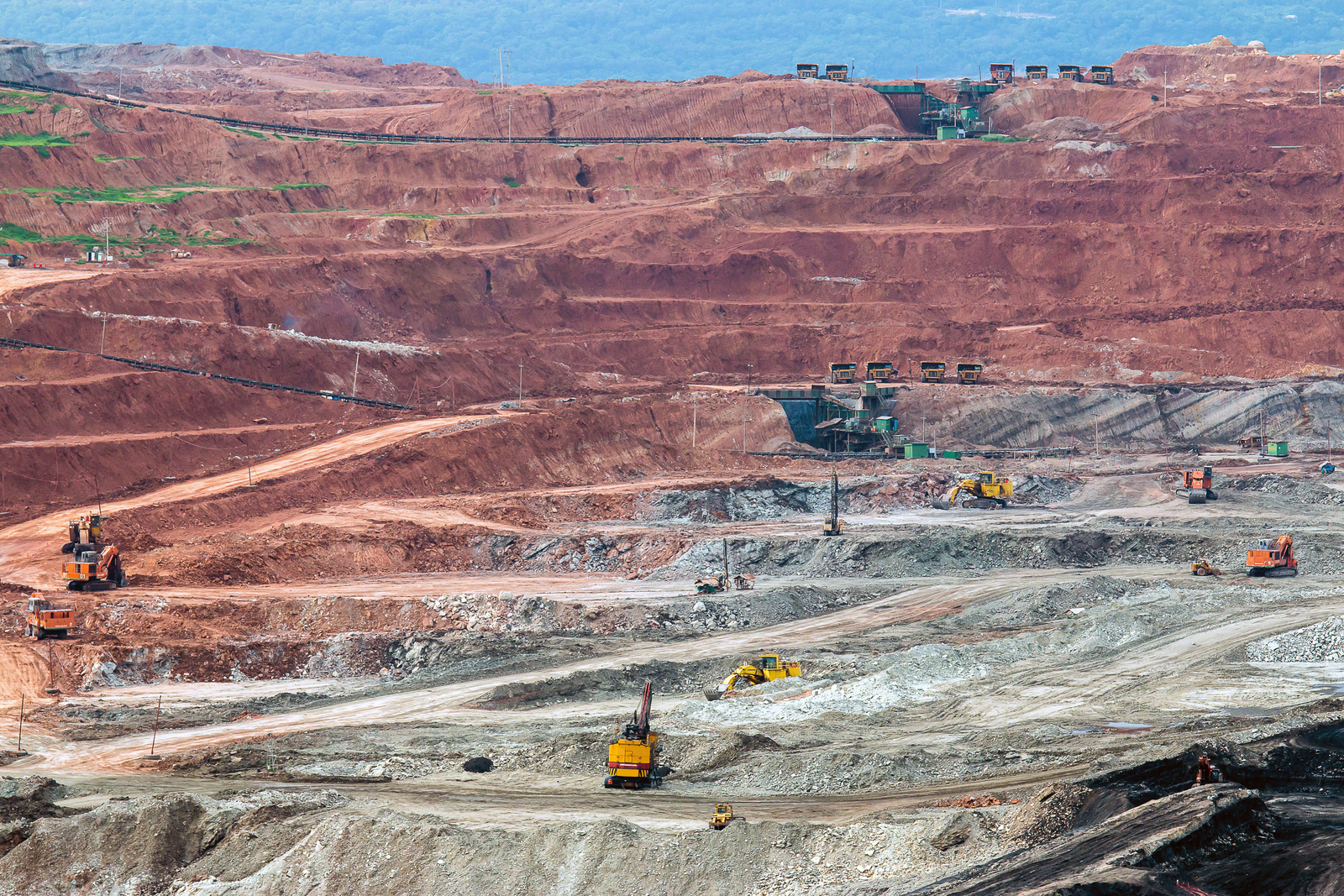
Rare earth metals, including neodymium, dysprosium, and lithium, are crucial for the production of high-performing chips used in AI applications. These materials are not only vital for creating chips but also for various electronic devices that form the backbone of modern technology.
Resource rich countries are benefiting economically from the surge in demand for these materials. Nations like China, Australia and Brazil have seen significant economic growth as they export these essential resources to tech companies around the world. This has created an imbalance in the global market. Countries with limited access to these materials face challenges in developing their own tech industries.
Implications for the UK tech industry
The implications for the UK tech industry are profound. While the UK has a reputation for innovation and excellence in technology, its current state in relation to AI and chip production is complex. Many UK businesses rely heavily on foreign resources for their chip production. This creates a precarious dependence on global supply chains that can be disrupted by geopolitical tensions or natural disasters.
This reliance poses significant risks for the UK tech sector. Any disruption in the supply of essential materials can hinder innovation and slow down the development of new technologies.
The competitive landscape is shifting. Nations that control and secure the supply of natural resources gain a strategic advantage in the global tech market. As a result, the UK has sought to find ways to secure its own supply chains and enhance its capacity for local production of chips and components.
Future prospects
Investing in the research and exploration to source rare materials or elements locally is important. As is collaborating with government, academia and tech companies to secure the future in this industry. To date small deposits have been found but not sufficient to sustain domestic demand.
The last Tory government in the UK funded the Circular Critical Materials Supply Chain programme (CLIMATES) for this purpose. This has lead to the development of the Critical Minerals Strategy. The Critical Minerals Strategy is designed to secure the UKs position and future in the tech industry
And finally…
The surge of AI-driven technology presents both opportunities and challenges for the UK. As the demand for chips and components continues to rise, it is essential for the country to address its reliance on foreign resources. As it is to invest in local production capabilities.
The world continues to transition to a tech enabled future and the UK needs to continue innovating to keep pace. By implementing supportive policies fostering collaboration and focusing on sustainable practices, the UK can secure its position as a leader in the global tech landscape.