
Ask anyone these days where they bought something and there is a good chance they will reply online. The presence of online marketplaces such as Amazon, Ebay or Etsy, that pride themselves on competitive pricing and no quibble returns, have made online shopping a breeze for some time now. The internet has enabled new retailers, with little initial financial outlay, to set up shop. Shopify and other software has made available simple to set up ecommerce websites for anyone with an interest in running their own business. In the meantime, the consumer has become more trusting of digital transactions and the ease with which they can compare prices across many retail outlets.
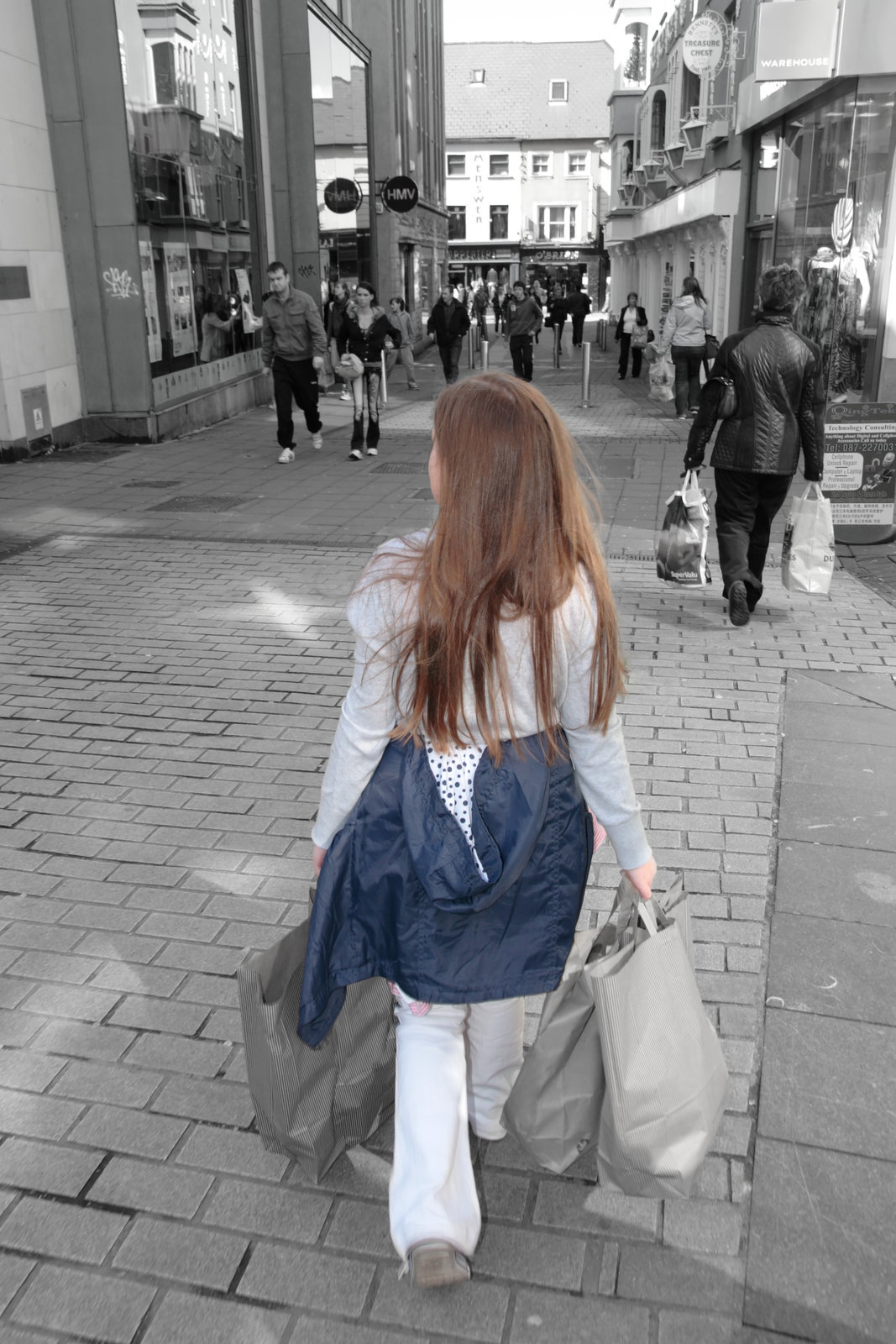
As a consequence the high street has suffered. Even where footfall is good the high street would struggle to compete with the sheer volume of potential buyers online. Many of us have seen our high streets reduced to restaurants and cafes, with a few charity shops or pop up shops filling the vacant units on a temporary basis.
However, like everything retail is evolving. Smart retail and a trend towards a buying experience is reshaping our needs and expectations of the high street.
The rise of the online marketplace
The savvy and usually large and established retailers locked on to the online retail trend early on. Adopting an omnichannel approach, they seamlessly integrated their online and in store shopping experiences to give their shoppers the best of both worlds.
The smaller or less well resourced high street brands had to become digital marketeers to compete online, with varying levels of success. Those that knew how, survived. Those that didn’t disappeared.
For many consumers with busy lives the convenience of online shopping and the ability to compare prices by simply keying in some search terms became too attractive to ignore. And so the transition to online shopping gathered pace. To survive, the high street needed to adapt.
Environmental concerns
With increased awareness of climate change, those with the budget to choose, are becoming more and more aware of the consequences of their buying choices. The impact of cheap clothing on the environment has been long been established. Online this has meant the creation and success of second hand retail sites such as Vinted. In the high street this has led to more interest in charity shops and better quality clothing from high street brands. Increasingly people are interested in experiencing the quality of their purchases, understanding the chain of production and trusting the brand.
The buying experience
Smart retail
With the evolution of technology come tools and software applications designed to enhance the buying experience. For the high street this has meant simplifying the ordering and buying process with apps on mobile phones.
Retailers have been able to analyse information collected digitally to better understand the needs of their customers. This has led to tailored products, shop layout and service.
Interactive displays within shops allow retailers to showcase products in a more engaging way. While augmented reality allows customers to try on clothes virtually. The opportunities to enhance the buying experience using technology will only increase.
The interactive experience
For some, the interest in interacting with the world around them while on a shopping spree, has never gone away. From the product to the barista who makes the coffee once the purchases have been made. By understanding consumer behaviour and preferences, adaptations can be made to capitalise on these data. This might affect how customer service is delivered to the store layout and facilities.
Technology is providing an understanding of how people use the high street. By analysing the types of activity that draw people to the high street you can better understand how the high street needs to change. The interactive experience is relevant here. It might mean offering space to community exhibitions, artwork, events, or whatever else might be relevant.
And finally…
The internet disrupted the retail market and diminished the high street with online stores, but it didn’t destroy it. If anything can be learned from the move to online retail is that there is space in the market for all.
Issues around the environment rubs up against the cheap and cheerful throw away culture of clothes buying and more and more people are looking to recycle their wardrobe. While developments in technology are the next big disrupter in retail and are available to those online and in the high street to exploit.
The renaissance of the high street has begun. You just need to understand how the market has changed, take account of consumer needs and preferences and supply to demand.